Teinture des textiles
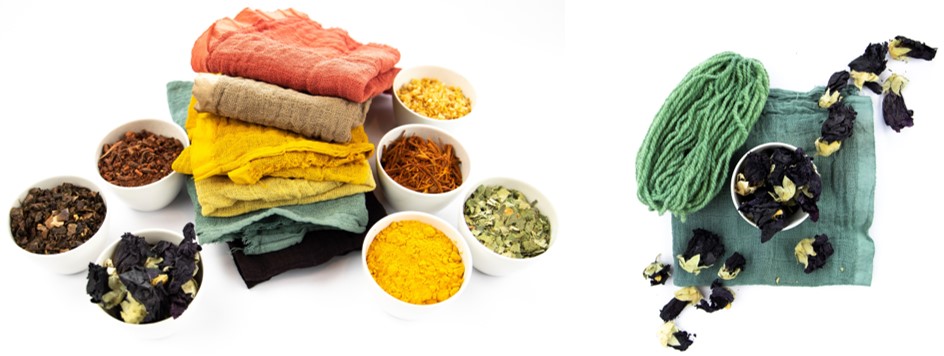
Teintures végétales
L´ensemble des teintures végétales donne au teinturier le point de départ idéal pour pouvoir fabriquer ses propres textiles teints. Les recettes simples permettent d´obtenir une variété de couleurs naturelles.
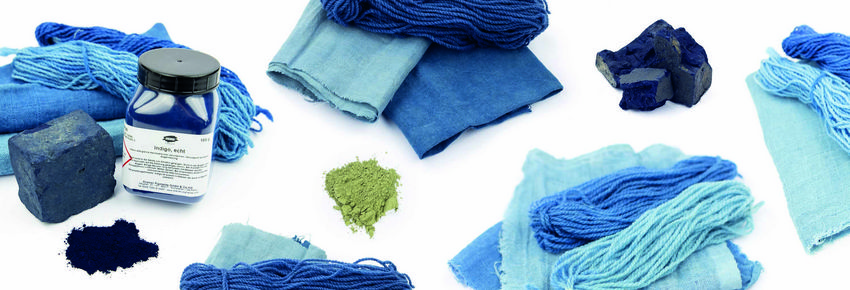
Teinture à l'indigo
L‘indigo est un pigment obtenu à partir de plantes. Un procédé particulier est nécessaire pour teindre les textiles avec.
Pendant le processus de teinture, l‘oxydation à l‘air produit le colorant bleu indigo.
Materials for Dyeing
Material list of Kremer products for textile dyeing.
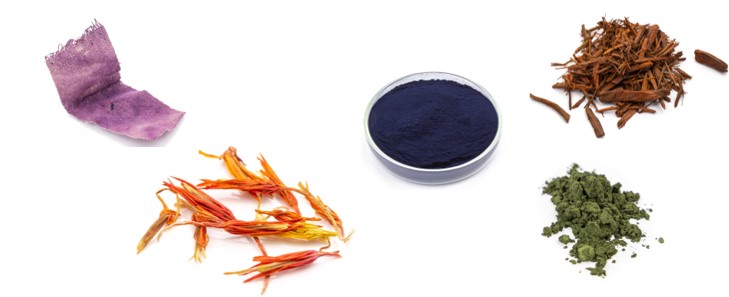
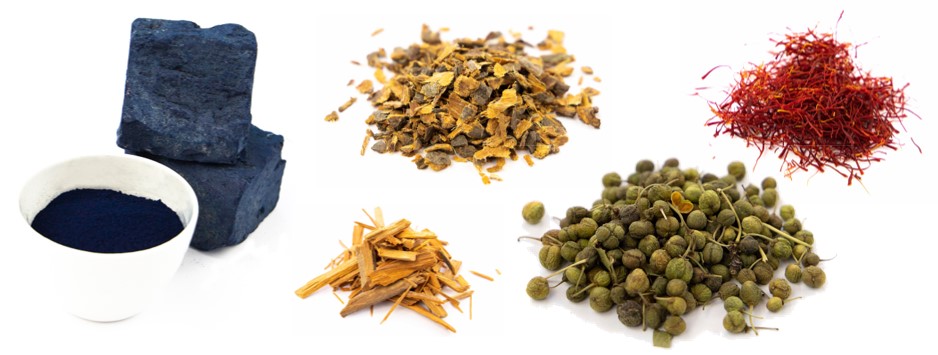
Colorants naturels & Couleurs végétales
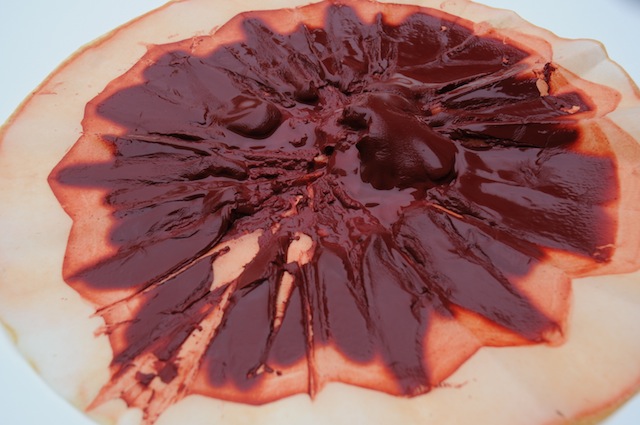
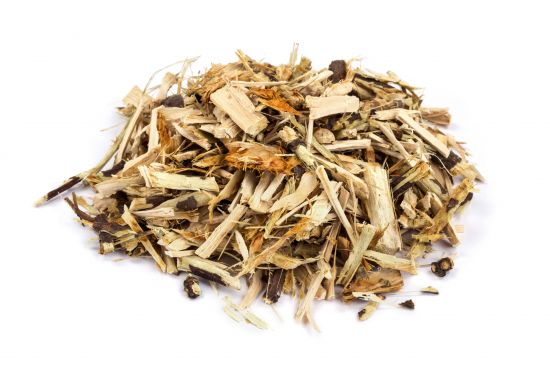
These original raw materials result in a natural variety of colors.
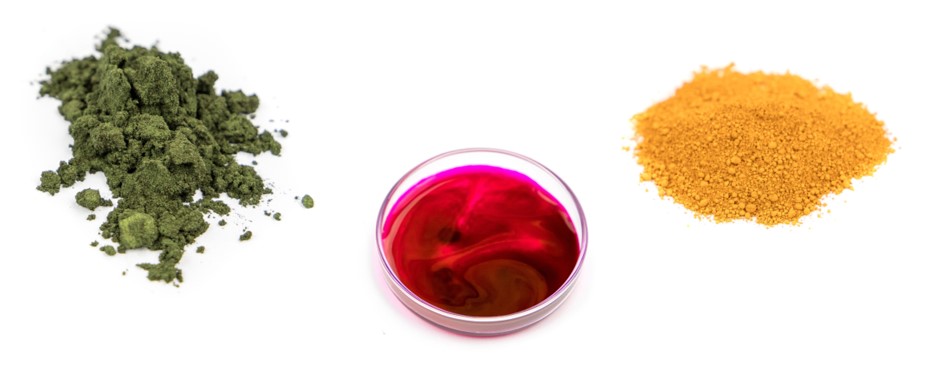
Colorants synthétiques, solubles dans l´eau
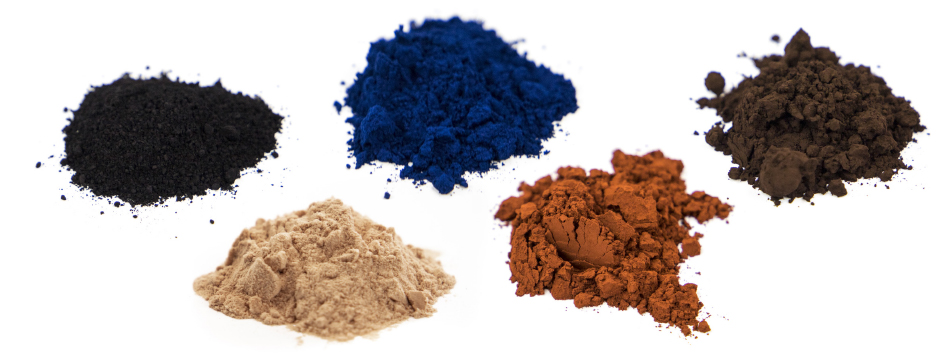
Colorants synthétiques, solubles dans les dissolvants, Colorant au solvant
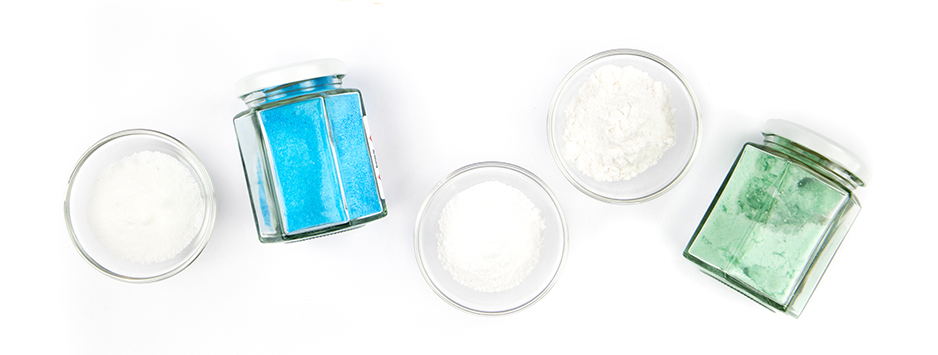
Mordants & produits chimiques
The purpose of mordanting textile materials is to ensure that the dye remains fixed and the dyeing does not fade. Appropriate pickling can improve the washfastness and lightfastness of the dyeing material.
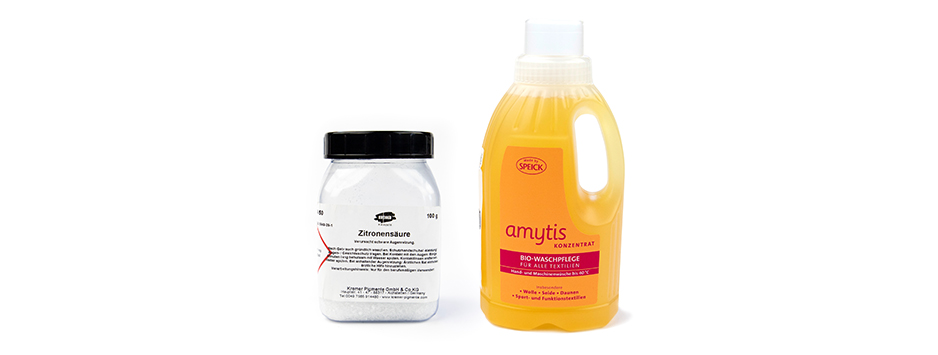
Produits lavage & nettoyage
The textile material to be dyed should be washed as hot as possible. Cleaning the pots works best with citric acid.
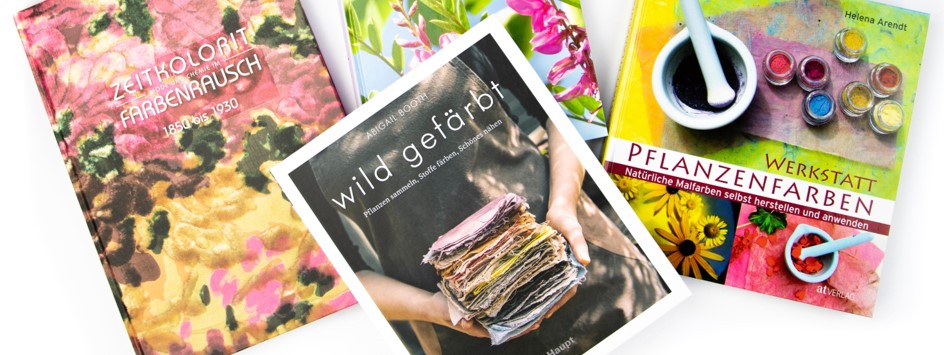
Livres
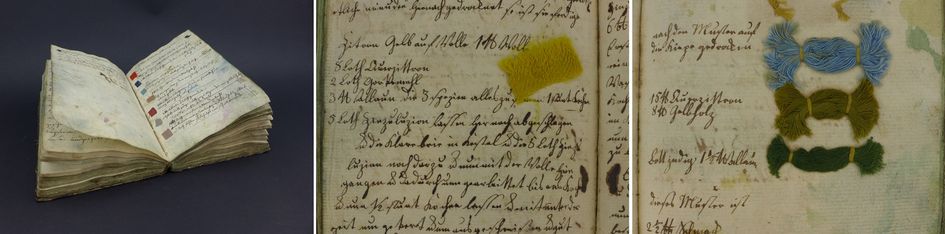
An early 19th century dyer´s handbook
Eva Eis (Kremer Pigmente, Aichstetten) and Almut König (Bayerische Akademie der Wissenschaften, München; Friedrich-Alexander-Universität, Erlangen-Nürnberg)
In Dr. Georg Kremer´s collection of literature, sample books and other historical sources there is a recipe book of unknown origin. The pages are old and worn, covered with ink and traces of colour. This source has never been studied before. The collection of recipes, notes and samples from a dyer can be dated back to the early 19th century.
