Teñido de textiles
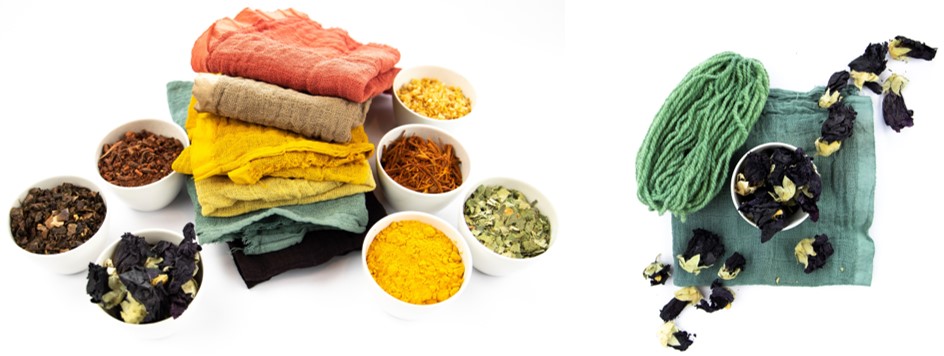
Teñido con colores vegetales
El conjunto de tintes vegetales ofrece al tintorero el comienzo ideal para poder realizar sus propios tejidos teñidos. Las sencillas recetas dan como resultado una variedad natural de colores.
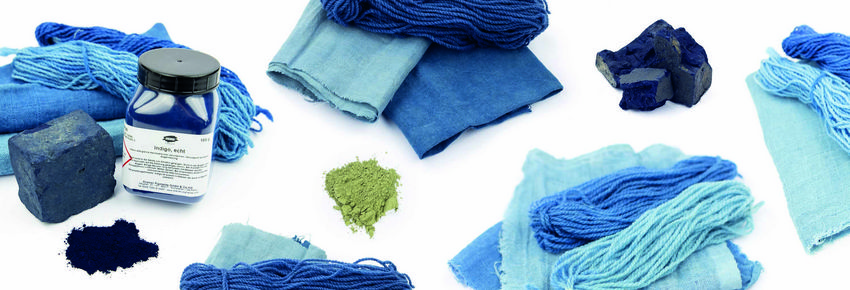
Teñido con índigo
Indigo is a plant-derived pigment. It is a vat dye and requires a special process when dyeing textiles.
Air-drying helps develop the typical indigo blue hue (oxidation). Indigo dyeing does not require additional scouring of textiles.
Materials for Dyeing
Material list of Kremer products for textile dyeing.
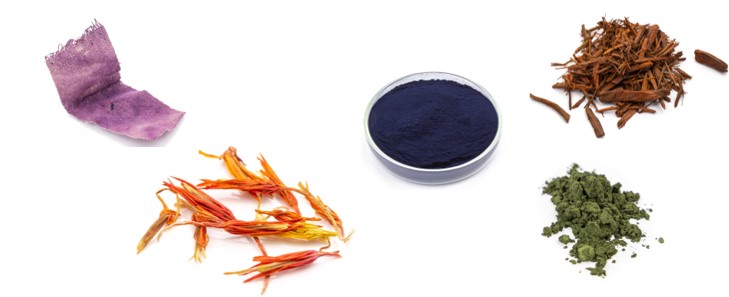
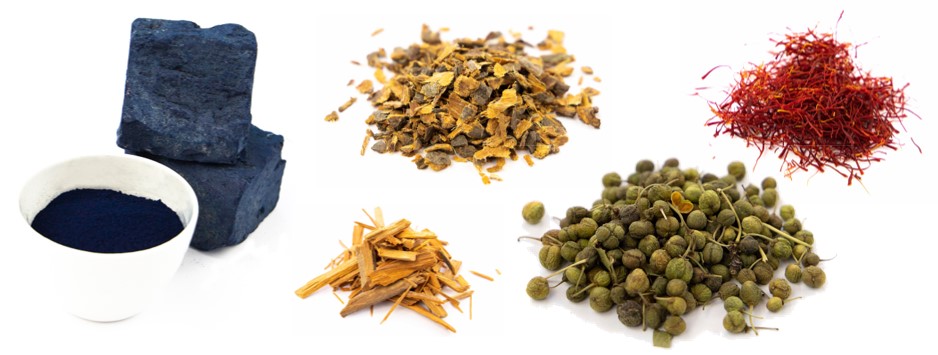
Colorantes naturales & Colores vegetales
These original raw materials result in a natural variety of colors.
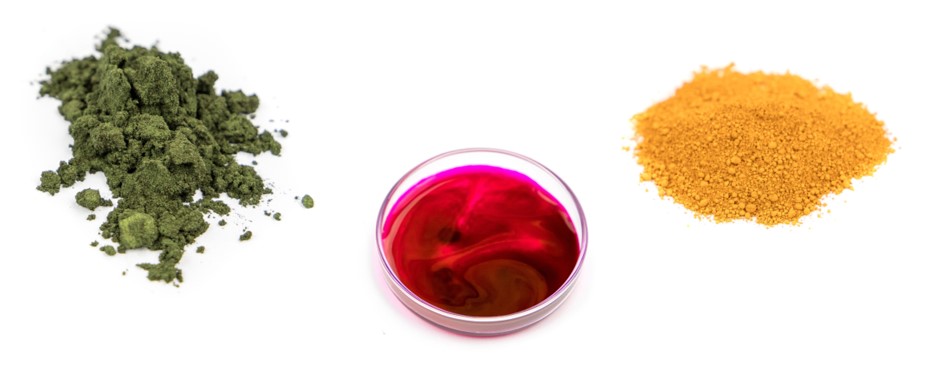
Colorantes sintéticos, hidrosolubles
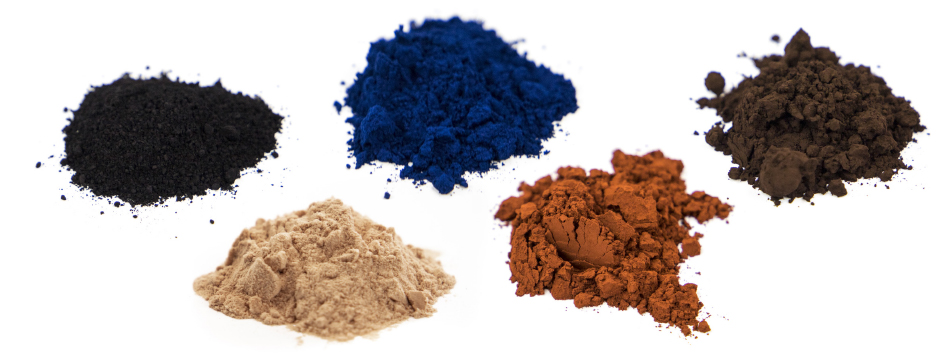
Colorantes sintéticos, solubles en disolvente, Tinte solvente
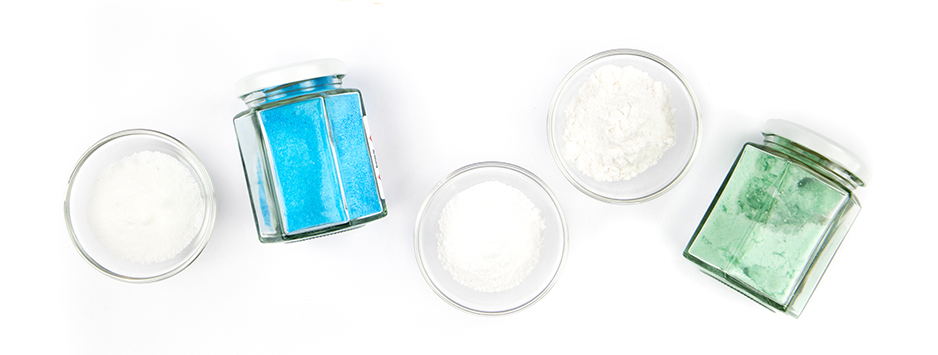
Mordientes y productos químicos
The purpose of mordanting textile materials is to ensure that the dye remains fixed and the dyeing does not fade. Appropriate pickling can improve the washfastness and lightfastness of the dyeing material.
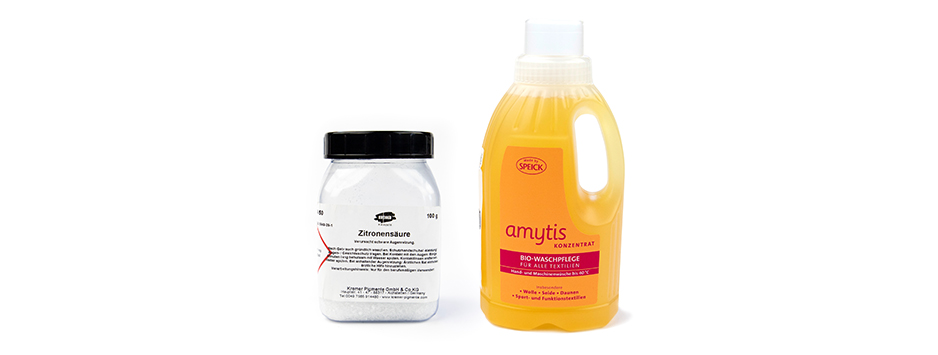
Agentes de lavado y limpieza
The textile material to be dyed should be washed as hot as possible. Cleaning the pots works best with citric acid.
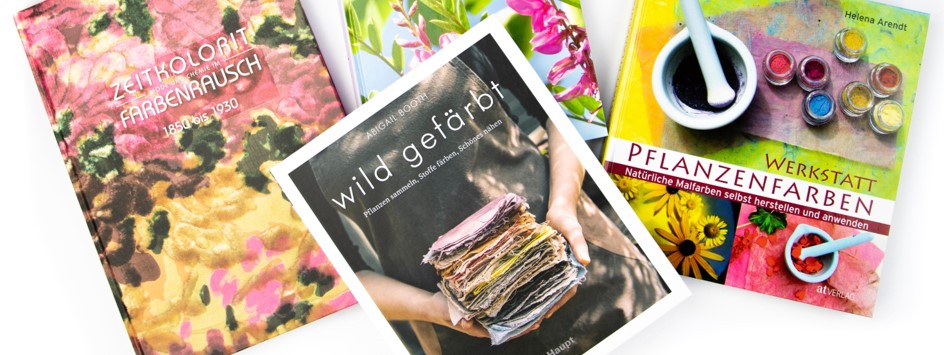
Libros
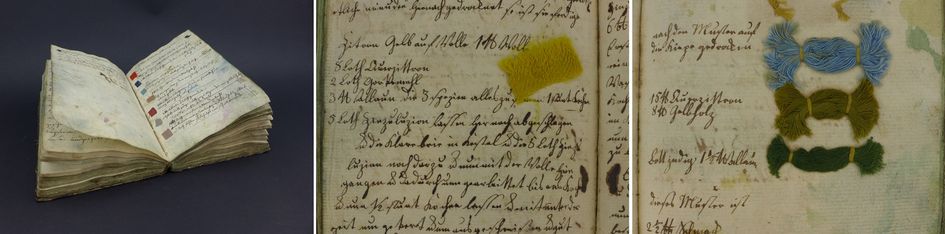
An early 19th century dyer´s handbook
Eva Eis (Kremer Pigmente, Aichstetten) and Almut König (Bayerische Akademie der Wissenschaften, München; Friedrich-Alexander-Universität, Erlangen-Nürnberg)
In Dr. Georg Kremer´s collection of literature, sample books and other historical sources there is a recipe book of unknown origin. The pages are old and worn, covered with ink and traces of colour. This source has never been studied before. The collection of recipes, notes and samples from a dyer can be dated back to the early 19th century.
