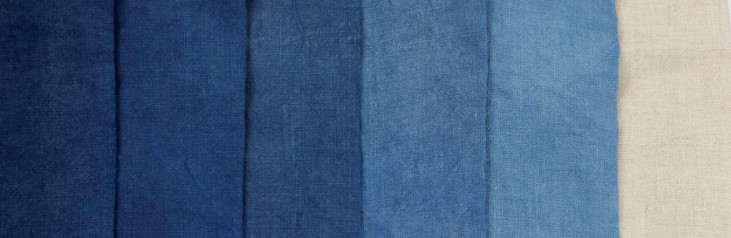
Indigo is a plant-derived pigment. It is a vat dye and requires a special process when dyeing textiles. Air-drying helps develop the typical indigo blue hue (oxidation). Indigo dyeing does not require additional scouring of textiles.
Teñido con índigo
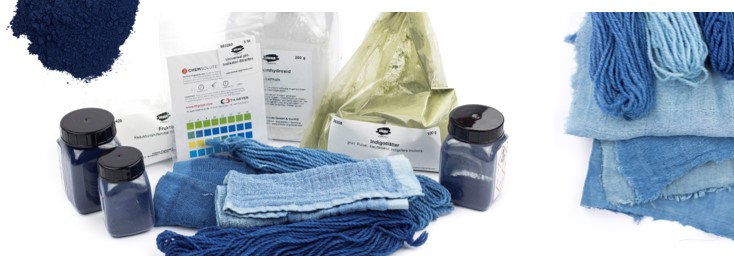
Set Dyeing with Indigo (#14705)
This set offers the ideal introduction to indigo dyeing. In addition to all important working materials, it contains a simple basic recipe for dyeing with indigo.
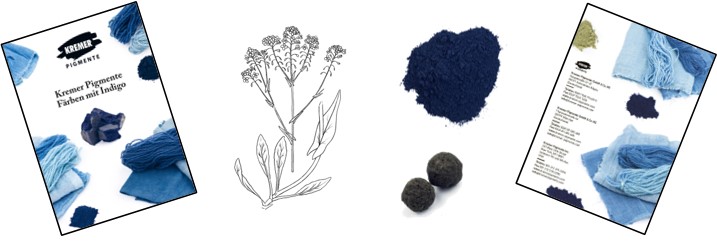
Brochure Dyeing with Indigo (#992426)
The book details descriptions of the dyeing technique and lists the materials needed, providing an ideal introduction to indigo dyeing which helps the dyer maintain a sustainable application.
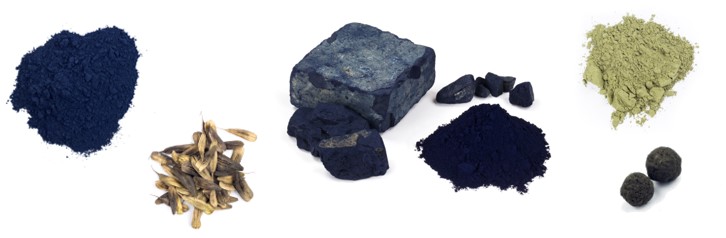
Indigo
Indigo is the name given to both the deep blue color and the dye and pigment, which can be obtained from plants but also produced synthetically.
Dyeing Auxiliary
Fructose reduces the indigo and the oxygen in the dye bath. At the same time, the dye bath must be alkaline, which we obtain by adding calcium hydroxide.

Overdyeing Indigo
To get additional shades of fern, you can also combine indigo dyeing with other plant dyes.
Most natural dyes require mordanting of the fabric for dyeing to ensure that the dye remains fixed to the fiber. Only indigo, purple and lokao are vat dyes and do not require mordanting. Mordanting materials
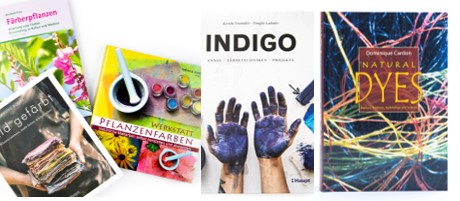
Books
A selection of specialist books provide basic knowledge on dyeing with plants and dyes. Recipes and application instructions provide practical tips
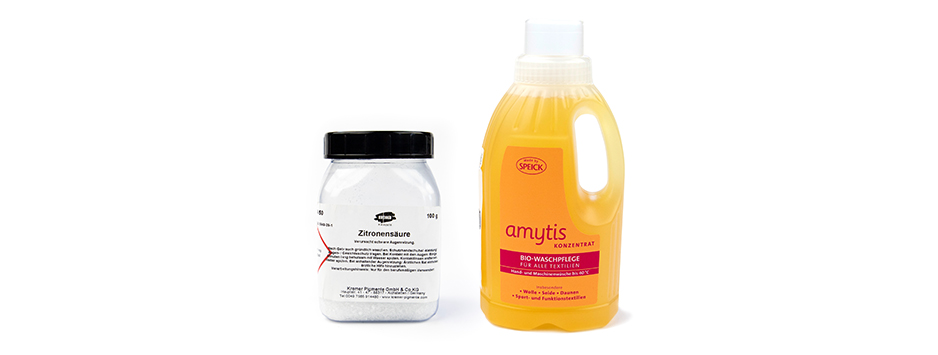
Washing & Cleaning agents
The textile material should be washed as hot as possible. Cleaning the pots works best with citric acid.
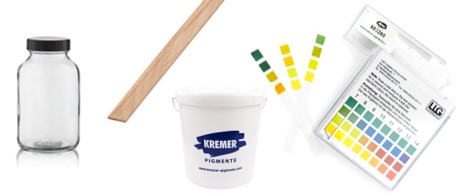
Accessories
pH Indicator strips, wooden stirrers, PP-buckets and glass bottles are helpful accessories for dyeing. Mask and gloves are for occupational safety.
