Information sur le produit

You want to know more about a definite product? Please use the above search field. In the detail view you can find indepth information, Safety Data Sheets, pictures and further information.

Our Pigment Suitability Lists:
These lists help you to find the suitable medium for every pigment.

We definitely recommend tests prior to the final application, we cannot guarantee for any instructions given.
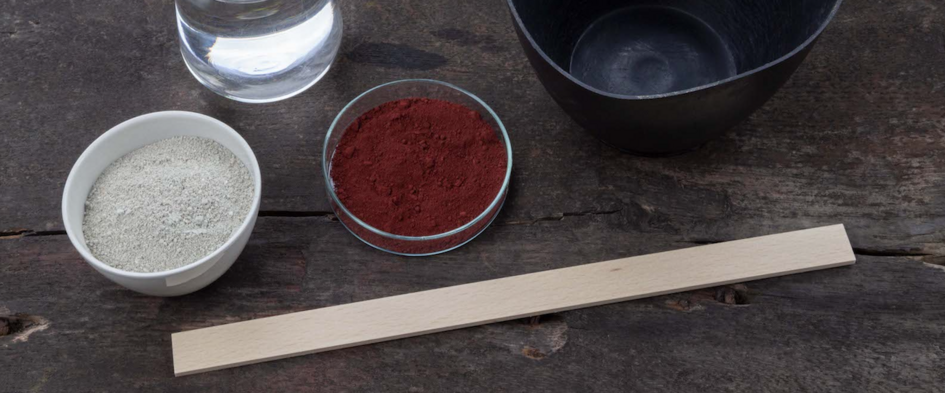
Faites vos propres peintures

Faites vos propres peintures

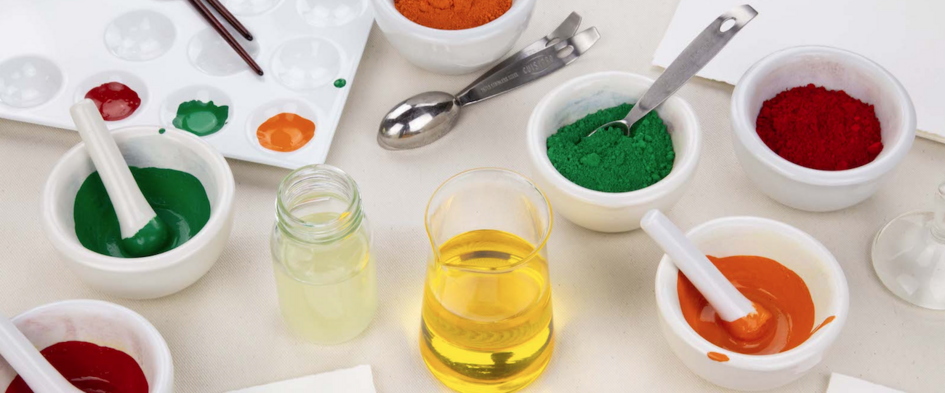
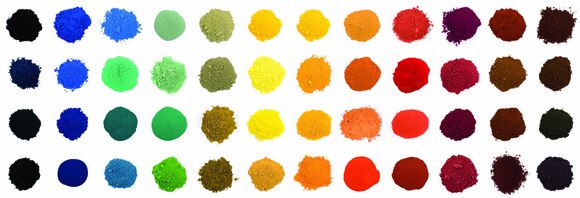
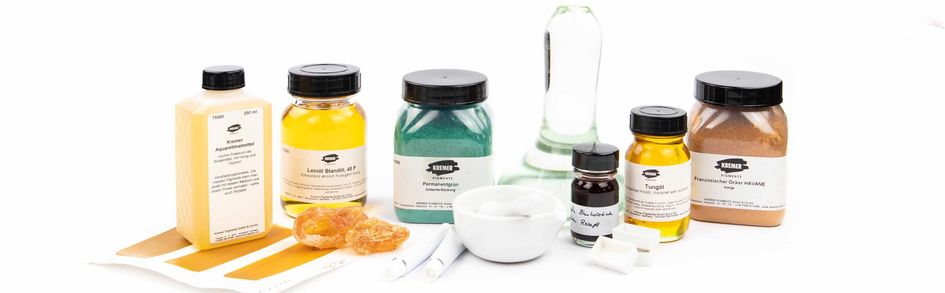
Nos pigments offrent une gamme de couleurs incroyablement large et une brillance qui dépasse le spectre de couleurs des gammes disponibles dans le marché.

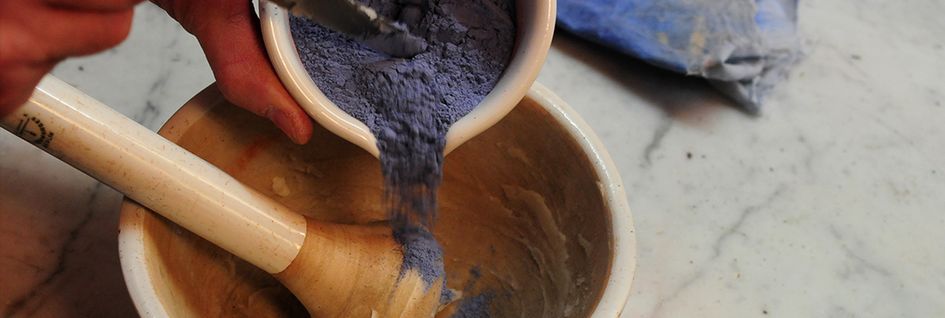
En utilisant différents liants et pigments, vous pouvez produire vous-même différentes couleurs.

Liste compatibilité des pigments en français

Liste compatibilité des pigments en français

Cette liste indique compatibilité des pigments pour huile, acrylique, tempera, peinture à l'eau, chaux / fresque, cément / tadelakt et silicate de soude.
Suitability List - Fresco

Suitability List - Fresco

Single List: Pigments for fresco painting, lime wash and gypsum.

(in English)

Suitability List - Silicate

Suitability List - Silicate

Single List: Pigments suitable for silicate dispersions.

(in English)

Suitability List - Cement and Tadelakt

Suitability List - Cement and Tadelakt

Single List: Pigments suitable for Cement and Tadelakt. (in English)

Pigments suitable for lime often proved not stable enough for Tadelakt.

Suitability List - Ceramics

Suitability List - Ceramics

Single List: Pigments suitable for Ceramics. (in English)

If not indicated otherwise, these pigments are stable for temperatures up to 1000 °C.

Suitability List - Epoxy Resins

Suitability List - Epoxy Resins

Single List: Pigments suitable for use with epoxy resins.

(in English)

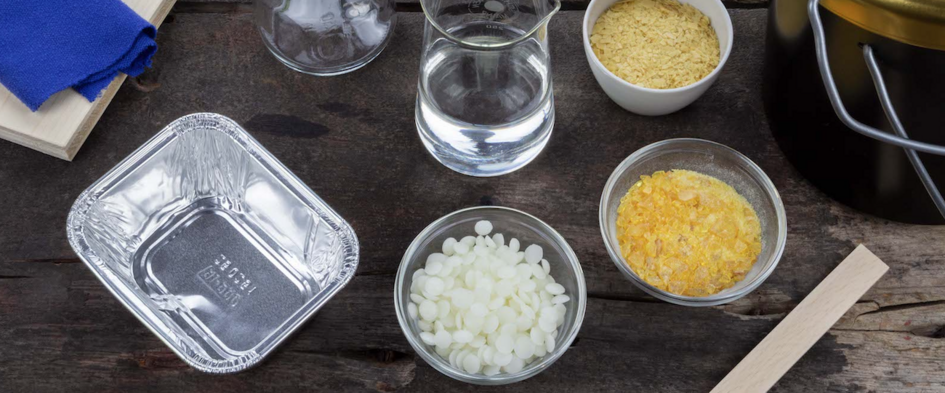
Suitability List - Encaustic

Suitability List - Encaustic

Single List: Pigments suitable for encaustic. (in English)

For encaustic, pigments are melted into wax or a wax-resin-mixture.

Suitability List - Violin Varnishes and Wood Surfaces

Suitability List - Violin Varnishes and Wood Surfaces

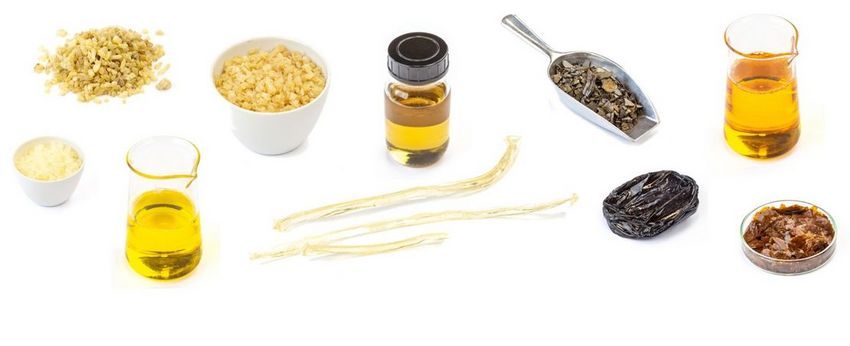
This list has especially been compiled for violin makers. Beside pigments, this list also contains dyes, polishing powders, natural resins, balsams, oils and other products. (in English)
Produits pour la fabrication d'instruments de musique

Produits pour la fabrication d'instruments de musique

Depuis des temps immémoriaux, la nature a fourni des matériaux facilement accessibles qui peuvent être utilisés pour améliorer et préserver le bois.
Les Terres Vertes

Les Terres Vertes

Les terres vertes sont des silicates de fer (II) très résistants à la lumière, colorés en vert avec du fer bivalent. L'exploitation minière est généralement très difficile et de nombreux gisements sont aujourd'hui épuisés. Les terres vertes ne sont donc extraites que pour des fins artistiques et de resauration.
Natural Animal Glues

Natural Animal Glues

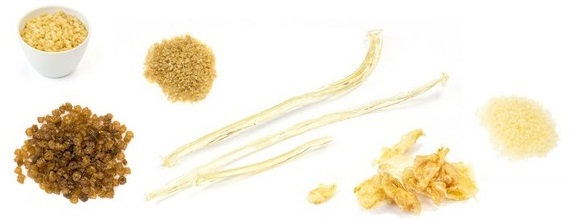
From skin, nerves, bones and many other animal components of cattle, pigs, rabbits and also fish, one can obtain the usual glues, which are mostly named after their raw material. The harder the glue, the stronger the bond. The more elastic, the lower the adhesive strength.
Pigment particle size

Pigment particle size

Particle size often determines practical properties of a pigment such as processability but also its color shade.
Kremer Wallpaint

Kremer Wallpaint

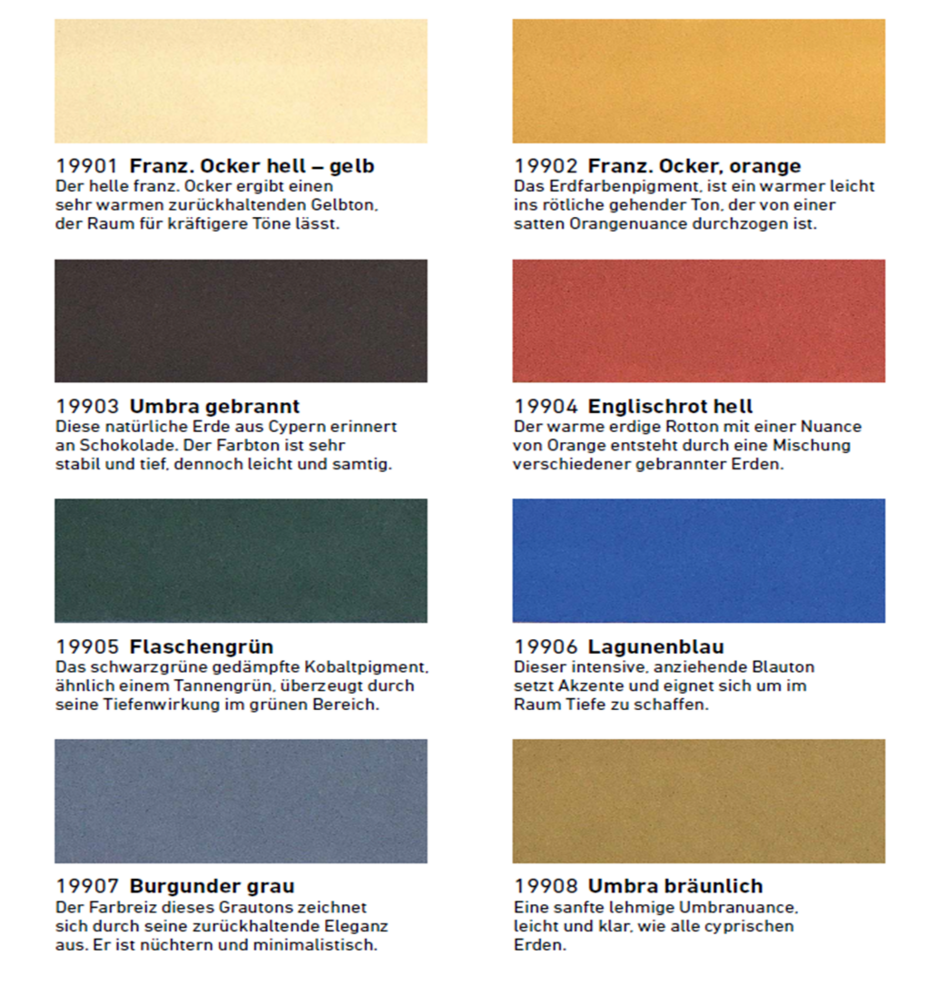
Ready-to-use wall paint with pure pigments - Kremer Pigments introduces a handmade natural resin paint in eight shades.

Brochure

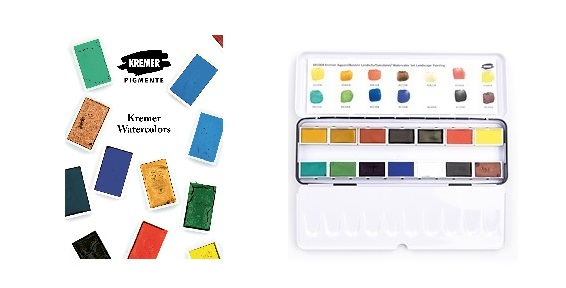
Brochure "Kremer Watercolors"

Kremer watercolors are produced following historic recipes and are all handmade in Germany.

Oil as a binding agent

Oil as a binding agent

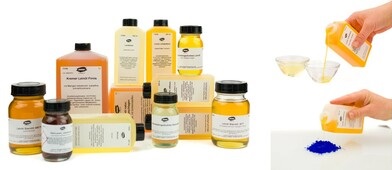
Oil painting is a technique developed over centuries. Its importance to the art of painting has never diminished, despite modern alternatives. On the contrary, many modern artists appreciate the qualities inherent to this tried & true painting process.

Cadmium pigments

Cadmium pigments

Cadmium pigments are excellently lightfast, opaque and suitable for most artistic techniques. However, toxic fumes are released when cadmium pigments are burned, so the use of these pigments for utilitarian and painting purposes, such as colored wall designs, is prohibited.
Comment enlever les résidus de peinture?

Comment enlever les résidus de peinture?

Nettoyage des matériaux de travail tels que les plaques de broyage, les mortiers, les molettes en verre et les couteaux à palettes.